
Spring Lawn Care Checklist for Omaha Homeowners
- Xscapes Landscaping
- Mar 7
- 3 min read

Spring brings new life to Omaha’s yards, but it also means your lawn needs attention to recover from winter and prepare for the growing season. A well-maintained lawn adds curb appeal, supports healthy grass growth, and helps prevent weeds and pests. This checklist guides Omaha homeowners through essential spring lawn care tasks to keep their grass green and thriving.

Clear Debris and Prepare the Lawn
Start by removing leaves, sticks, and any debris left from winter. This cleanup prevents mold and allows sunlight and air to reach the grass. Use a rake or leaf blower to clear the surface thoroughly.
Next, inspect your lawn for bare or thin patches. These areas may need reseeding or patching to encourage even growth. Spring is the best time to address these spots before the heat of summer arrives.
Test and Adjust Soil pH
Omaha soils can vary, so testing your soil’s pH helps determine if adjustments are needed. Grass typically thrives in soil with a pH between 6.0 and 7.0. You can buy a simple soil test kit at garden centers or send a sample to a local extension office.
If your soil is too acidic, applying lime can raise the pH. If it’s too alkaline, sulfur can lower it. Correcting soil pH improves nutrient availability and promotes stronger grass roots.
Aerate the Lawn
Compacted soil restricts water, air, and nutrients from reaching grass roots. Aeration creates small holes in the soil to relieve compaction. For Omaha lawns, aerate in early spring before heavy growth begins.
You can rent a core aerator or hire a lawn care service. Focus on high-traffic areas like walkways and play zones. Aeration helps roots grow deeper and improves overall lawn health.
Fertilize for Strong Growth
Applying fertilizer in spring gives your lawn the nutrients it needs to recover and grow. Choose a fertilizer formulated for cool-season grasses common in Omaha, such as Kentucky bluegrass or tall fescue.
Look for a balanced fertilizer with nitrogen, phosphorus, and potassium. Follow the package instructions carefully to avoid over-fertilizing, which can harm the grass and the environment.
Control Weeds Early
Weeds compete with grass for nutrients and water. Applying a pre-emergent herbicide in early spring prevents weed seeds from germinating. Timing is crucial—apply before soil temperatures reach about 55°F.
For existing weeds, spot-treat with a post-emergent herbicide or pull them by hand. Regular mowing and proper fertilization also help keep weeds under control.
Mow with Care
Once your grass reaches about 3 inches tall, start mowing regularly. Set your mower blade to a height of 2.5 to 3 inches to avoid stressing the grass. Cutting too short can weaken roots and invite weeds.
Keep mower blades sharp for clean cuts. Dull blades tear grass, making it vulnerable to disease. Remove no more than one-third of the grass height at a time to maintain healthy growth.
Water Wisely
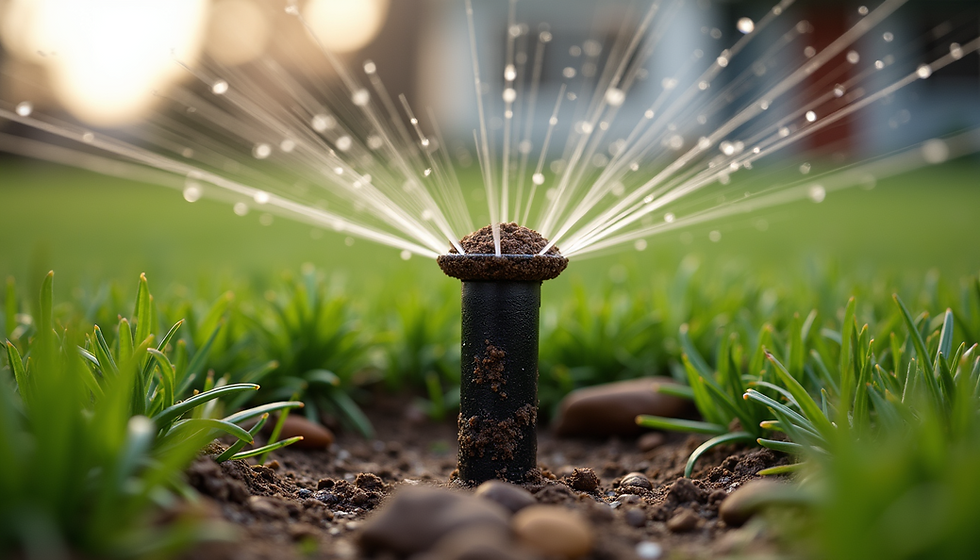
Spring rains usually provide enough moisture, but during dry spells, water your lawn deeply and infrequently. Aim for about 1 inch of water per week, including rainfall.
Water early in the morning to reduce evaporation and fungal growth. Avoid frequent shallow watering, which encourages shallow roots and weak grass.
Overseed to Fill Thin Areas
If your lawn has bare spots or thinning grass, overseeding in spring helps fill those gaps. Choose grass seed that matches your existing lawn type.
Prepare the soil by raking lightly to loosen the surface. Spread seed evenly and keep the area moist until new grass establishes. Overseeding improves lawn density and resilience.
Monitor for Pests and Diseases
Watch for signs of pests like grubs or diseases such as brown patch. Early detection allows for targeted treatment before problems spread.
If you notice unusual discoloration, thinning, or damage, consult local extension resources or lawn care professionals for advice on safe and effective treatments.
Spring lawn care in Omaha requires attention to detail and timely action. By following this checklist, homeowners can enjoy a lush, healthy lawn all season long. Start with cleanup and soil care, then focus on aeration, fertilization, and weed control. Regular mowing and watering keep grass strong, while overseeding and pest monitoring protect your investment.


Comments